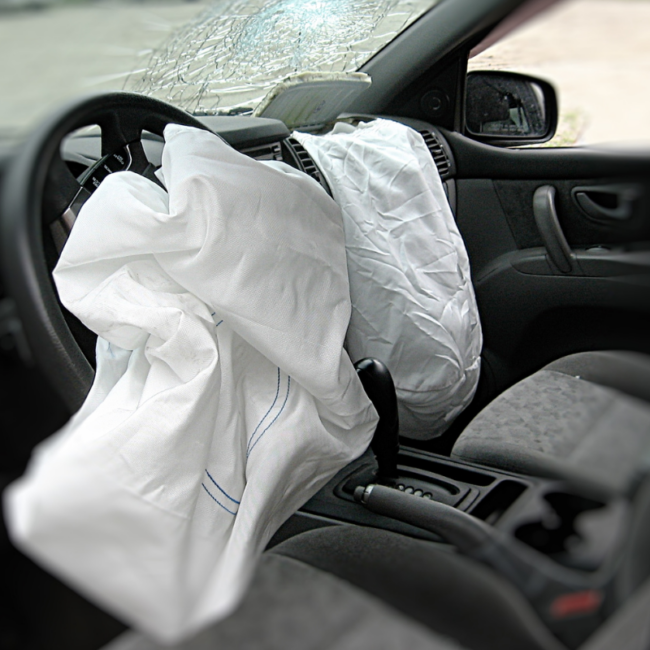

What Does a Defective Airbag Lawyer in Atlanta Investigate in Your Case?
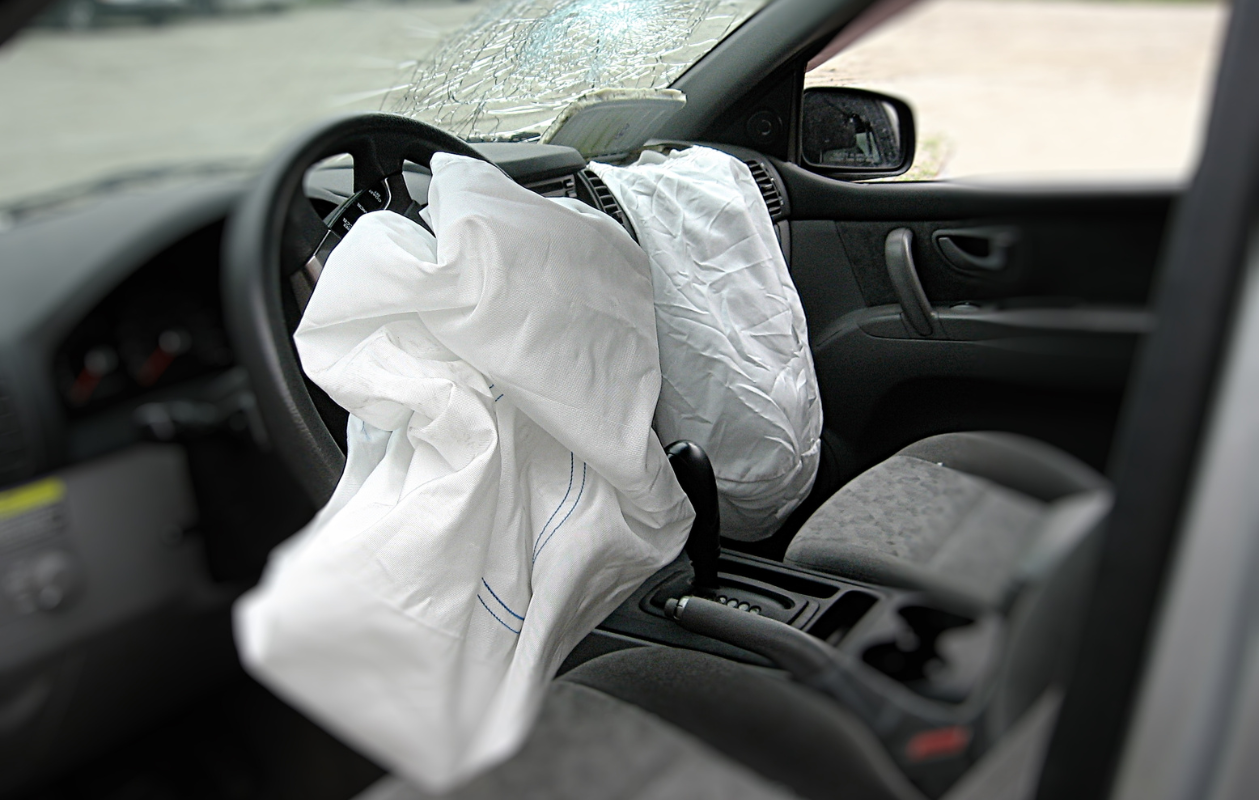

How Does a Defective Airbag Lawyer in Atlanta Build a Product Liability Claim?
A defective airbag lawyer in Atlanta investigates the vehicle’s airbag system, recall history, and physical evidence to determine whether a design defect, manufacturing defect, or failure to warn caused your injury. They work with accident reconstruction specialists and expert witnesses to build a product liability claim against manufacturers, suppliers, or dealers; at no cost to you unless you win.
Airbags are supposed to save lives. But when an inflator ruptures, a bag fails to deploy, or metal shrapnel tears through a cabin, the device meant to protect you becomes the source of your injury. If you or a loved one was hurt by a defective airbag in Georgia, understanding what an attorney actually investigates, and why it matters, is your first step toward justice.
At The Law Office of Mahdi Abdur-Rahman, we handle defective airbag cases throughout Atlanta and the surrounding metro area. Here is a detailed look at exactly how we build your case.
The First Thing We Do: Secure the Vehicle and Its Data
Before any investigation can begin, we work quickly to preserve the evidence. Vehicles are often repaired, scrapped, or auctioned before victims realize they have a claim. Our team immediately seeks to:
- Place a legal hold on the vehicle to prevent destruction or alteration
- Download the Event Data Recorder (EDR), sometimes called the “black box,” which captures airbag deployment signals, speed, and braking data in the seconds before a crash
- Photograph the airbag module, steering column, dashboard, and any visible shrapnel or burn marks
- Collect the inflator cartridge for independent laboratory analysis
This preservation step is non-negotiable. Without the physical evidence, proving your case becomes exponentially harder.
Investigating the Type of Airbag Defect
Georgia product liability law recognizes three distinct categories of defects, and your attorney must identify which one, or which combination, applies to your case.
Design Defect means the airbag system was dangerous as engineered, even when built exactly to specification. If a manufacturer designed an inflator prone to over-pressurization under high humidity conditions, every unit off that production line carries the same flaw.
Manufacturing Defect means the design was sound, but something went wrong during production: a contaminated propellant, an improperly crimped housing, or a faulty weld that caused a single batch of units to fail dangerously.
Failure to Warn means the manufacturer or dealer knew about a risk and failed to notify vehicle owners in time. This is particularly relevant in Takata airbag litigation, where regulators and automakers were aware of rupture risks years before the largest automotive recall in U.S. history was issued.
Our attorneys analyze engineering reports, NHTSA complaint databases, internal corporate communications, and prior recall notices to establish which defect theory or theories applies to your situation.
Takata vs. ARC Airbag Lawsuits: What’s the Difference?
Takata airbags used ammonium nitrate as a propellant, which degrades when exposed to heat and humidity over time. The result: inflators that rupture explosively, sending metal shrapnel into the vehicle cabin. The Takata airbag recall affected tens of millions of vehicles across dozens of manufacturers and resulted in multiple deaths and hundreds of documented injuries in the U.S. alone.
ARC Automotive inflators have faced a separate wave of scrutiny. ARC-manufactured inflators have been linked to rupture incidents involving vehicles from multiple automakers, and NHTSA has pushed for expanded recalls. Unlike Takata’s humidity-driven degradation, ARC defects have been linked to manufacturing inconsistencies in the inflator housing itself.
Both types of cases require expert metallurgical analysis, recall documentation, and a thorough review of what the manufacturer knew, and when. An experienced airbag defect lawyer in Atlanta, GA knows how to navigate both litigation landscapes.
How Do Lawyers Investigate Airbag Defects?
Successful airbag defect litigation is built on science, not just paperwork. Here is how The Law Office of Mahdi Abdur-Rahman approaches the technical side of your case:
- Accident Reconstruction: We retain certified accident reconstruction specialists who can analyze skid marks, vehicle damage patterns, crash data, and deployment timing to establish exactly what happened in the collision, and whether the airbag’s behavior was consistent with a properly functioning system.
- Expert Witness Testimony: Product liability cases almost always require experts to explain complex engineering concepts to a judge or jury. We work with automotive engineers, materials scientists, and medical professionals who can connect the defect directly to your specific injuries: from shrapnel injury and burn trauma to traumatic brain injury caused by abnormal deployment force.
- NHTSA and ODI Records: The National Highway Traffic Safety Administration maintains a public database of complaints, investigations, and recall orders. Our team combs these records to identify patterns that strengthen your claim and demonstrate that the manufacturer had prior notice of the defect.
- Corporate Discovery: In litigation, we pursue internal communications, quality control records, test data, and warranty claims that can reveal what the manufacturer or supplier knew about the risk before you were hurt.
How Do You Prove an Airbag Was Defective in Court?
Under Georgia product liability law, you can pursue a claim under strict liability, negligence, or breach of warranty and often all three simultaneously.
Strict liability does not require proof of negligence. If the manufacturer placed a defective product into the stream of commerce and that defect caused your injury, they can be held liable. Negligence claims allow us to show the manufacturer failed to exercise reasonable care in design, testing, or post-sale monitoring. Breach of warranty claims are relevant when the vehicle or its components came with express or implied guarantees of safety that the airbag system failed to meet.
To succeed, we must generally show:
- the product was defective,
- the defect existed when it left the manufacturer’s control
- the defect directly caused your injuries.
Thorough documentation, expert testimony, and preserved physical evidence are what tie those elements together.
What Happens If My Vehicle Has Been Repaired or Scrapped?
This is one of the most common concerns we hear and it does not automatically end your case. If the vehicle has been repaired or destroyed, we can still pursue your claim through:
- Photographic and video evidence from the scene, emergency responders, or surveillance systems
- Medical records documenting injuries consistent with inflator rupture or abnormal deployment
- NHTSA recall data and complaint records showing your vehicle’s known defect history
- Testimony from witnesses and first responders
- Similar incident reports involving the same make, model, and airbag part number
Acting quickly gives us the best chance to locate additional evidence before it disappears. If you have any concerns that your vehicle may be scrapped or sold, contact us immediately so we can take steps to intervene.
How Long Does an Airbag Investigation Take?
The investigation phase alone typically takes three to six months for straightforward cases and can extend significantly longer when the manufacturer contests liability or when multiple defendants are involved. Complex Takata or ARC cases involving federal multidistrict litigation may take longer to resolve. However, the process moves faster when evidence is preserved early and the legal team acts without delay.
Throughout the investigation, The Law Office of Mahdi Abdur-Rahman keeps you informed at every stage, so you never wonder where your case stands.
Talk to an Atlanta Defective Airbag Lawyer — Free Consultation
If you were injured by a defective airbag anywhere in the Atlanta area, The Law Office of Mahdi Abdur-Rahman offers a free case evaluation with no obligation. We work on a contingency fee basis, meaning you pay no attorney’s fees unless we win your case.
Airbag defect claims are time-sensitive. Georgia’s statute of limitations and the risk of lost evidence mean that waiting can cost you your right to recover. Contact us today to protect your rights and begin your investigation.
No fee unless we win. Free consultation. Call today.
Frequently Asked Question
Can I Sue the Car Manufacturer for Airbag Injury?
Yes. Georgia law allows injured consumers to bring product liability claims directly against vehicle manufacturers, airbag system manufacturers, component suppliers, and, in some cases, dealerships that failed to complete a known recall repair before selling a vehicle. We evaluate every party in the supply chain to identify who bears responsibility for your injuries.
What Evidence Is Needed in a Defective Airbag Lawsuit?
Building a strong case requires a combination of physical evidence, expert analysis, and documented harm. Key evidence categories include the airbag module, inflator, and deploying housing, Event Data Recorder (EDR) download, accident scene photographs and police reports, medical records and injury documentation, NHTSA recall notices and complaint records, corporate design and manufacturing records.Our team guides you through exactly what to gather and what to preserve from the very first call
How do I know if my airbag was defective?
Signs of a defective airbag may include failure to deploy during a crash, deploying unexpectedly, or causing unusual injuries when it deploys. You can also check whether your vehicle was included in an airbag recall and have it inspected by a qualified technician.
What are the common signs of a faulty airbag system?
Common warning signs include an illuminated airbag warning light, error messages on the dashboard, or airbags that deploy unexpectedly. Any of these issues should be inspected promptly by a certified mechanic.
How can I find out if my vehicle’s airbags were part of a safety recall?
You can check for recalls by searching your vehicle identification number (VIN) on your vehicle manufacturer’s website or through official government recall databases. Recall notices may also be sent directly to registered vehicle owners.