
Georgia Slip and Fall Injury Claims: Your Legal Rights, Liability, and Compensation Explained
A slip and fall accident can change your life in seconds. One moment you’re walking through a grocery store, apartment complex, or workplace, and the next, you’re dealing with serious injuries, mounting medical bills, and uncertainty about your future. In Georgia, slip and fall injuries fall under premises liability law, which governs when property owners can be held responsible for hazardous conditions.
These accidents are more than minor mishaps. Falls are a leading cause of emergency room visits and can result in fractures, spinal injuries, traumatic brain injuries, and other long-term complications. Recovery often involves ongoing treatment, physical therapy, and time away from work; placing both emotional and financial strain on victims and their families. Understanding your legal rights early can help you avoid costly mistakes, especially when insurance companies attempt to settle claims quickly for less than you deserve.
Understanding your rights is critical, especially when you’re facing pain and suffering after a slip and fall injury, lost income, and long-term recovery. This blog post explains liability, compensation, and how slip and fall injury lawyers help injured victims protect their claims.
What Is a Slip and Fall Injury Claim?
A slip and fall claim is a type of personal injury claim that arises when someone is injured due to unsafe conditions on another person’s property. These cases typically involve:
- Wet or slippery floors
- Uneven sidewalks or flooring
- Poor lighting
- Spills left unattended
- Loose rugs, cords, or debris
At the heart of every claim is one question: Did the property owner fail in their duty of care?
Premises Liability and Duty of Care in Georgia
Under Georgia law, property owners owe a duty of care to keep their premises reasonably safe for lawful visitors. This means they must:
- Regularly inspect their property
- Fix known hazards in a timely manner
- Warn visitors about dangerous conditions
When property owner negligence leads to injury, the injured person may have the right to pursue compensation.
Proving Property Owner Liability
One of the most challenging aspects of these cases is proving property owner liability. To succeed, your legal team must establish:
- A hazardous condition existed
- The owner knew or should have known about it
- The owner failed to correct or warn about the danger
- The condition directly caused your injuries
This process is known as proving negligence, and it requires strong evidence.
Common Hazardous Conditions That Cause Falls
Slip and fall accidents often happen because of preventable dangers, including:
- Recently mopped floors without warning signs
- Broken steps or handrails
- Ice or water accumulation near entrances
- Cluttered walkways in stores or workplaces
These hazardous conditions are frequently documented after an incident, which can become vital evidence later.
Evidence Needed for a Slip and Fall Claim
Strong evidence can make or break your case. Slip and fall injury lawyers typically gather:
- Photos or videos of the scene
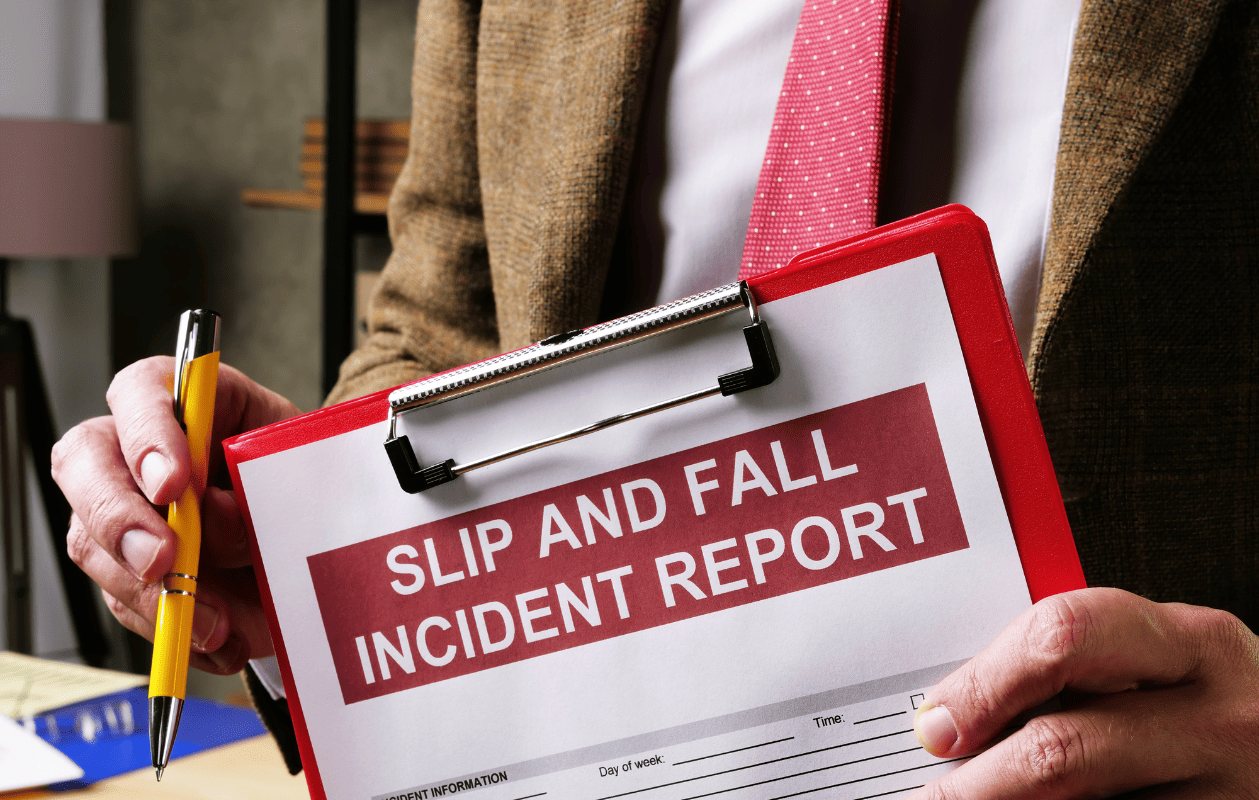
- An incident report filed with the property owner
- Witness statements from people who saw the fall
- Surveillance footage showing the accident
- Medical records linking injuries to the fall
The earlier this evidence is preserved, the stronger your claim becomes.
Slip and Fall at Work: What Are Your Options?
A slip and fall at work is handled differently than falls on private or commercial property. Most workplace falls fall under workers’ compensation, which may cover:
- Medical expenses
- A portion of lost wages
However, workers’ compensation typically does not pay for pain and suffering. In some cases, a third-party claim may be possible if someone other than your employer caused the hazard.
Compensation Available After a Slip and Fall Injury
Victims may be entitled to several types of damages, including:
- Medical expenses (past and future)
- Lost wages and reduced earning capacity
- Out-of-pocket costs related to recovery
- Pain and suffering
- Emotional distress
The total settlement value depends on injury severity, long-term effects, and the strength of liability evidence.
Pain and Suffering After a Slip and Fall Injury
Many people ask how pain and suffering after a slip and fall injury is calculated. Unlike medical bills, pain and suffering is non-economic damage and includes:
- Physical pain
- Chronic discomfort
- Emotional distress
- Loss of enjoyment of life
Insurance companies often undervalue this category, which is why having experienced legal representation matters.
What If the Property Owner Denies Responsibility?
It’s common for property owners or insurers to argue that:
- The hazard was “open and obvious”
- They didn’t have enough time to fix the problem
- The injured person wasn’t paying attention
When this happens, your lawyer counters with evidence showing the owner’s failure to act reasonably under the circumstances.
Statute of Limitations in Georgia Slip and Fall Cases
One critical deadline applies to every claim: the statute of limitations Georgia law imposes. In most cases, you have two years from the date of injury to file a lawsuit.
Missing this deadline can permanently bar your claim, regardless of how strong the evidence is.
When Should You Hire Slip and Fall Injury Lawyers?
You should consider speaking with slip and fall injury lawyers as soon as possible if:
- Your injuries required medical treatment
- The property owner disputes fault
- You missed work or face long-term limitations
- An insurer pressures you to settle quickly
Many firms offer a free consultation for fall injuries, allowing you to understand your options without upfront cost.
Why Legal Representation Matters
Slip and fall cases are rarely as simple as they appear. Property owners often have insurers and attorneys working to minimize payouts. An experienced lawyer, such as those at The Law Office of Mahdi Abdur-Rahman:
- Investigate the scene
- Preserves key evidence
- Calculates full damages
- Negotiates aggressively or goes to trial if needed
This support can significantly impact the outcome of your case.
Conclusion
If you or a loved one has been injured in a fall, understanding your legal options is the first step toward protecting your future. Slip and fall claims can be complex, often requiring thorough investigations, strong evidence, and skilled negotiation to secure fair compensation. Working with experienced slip and fall injury lawyers can make a meaningful difference in the outcome of your case. The Law Office of Mahdi Abdur-Rahman is committed to helping injury victims pursue justice by holding negligent property owners accountable and fighting for the financial recovery they deserve. Seeking timely legal guidance can help you move forward with confidence and focus on healing.

Frequently Asked Question
Who is liable for a slip and fall accident?
Typically, the property owner or occupier is liable if their negligence caused unsafe conditions.
How do slip and fall accidents happen on someone else’s property?
They usually result from unaddressed hazards like spills, broken flooring, or poor lighting.
What compensation can you recover after a slip and fall injury?
Medical expenses, lost wages, pain and suffering, and related damages may be recoverable.
How much is pain and suffering worth after a fall?
It depends on injury severity, recovery time, and long-term impact on daily life.
Can I file a claim if I slipped at work?
Yes, usually through workers’ compensation, and sometimes through a third-party claim.
What if the property owner denies responsibility?
Your lawyer can use evidence like surveillance footage and witness statements to challenge denial.
What evidence is needed for a slip and fall claim?
Photos, incident reports, medical records, and witness testimony are key.
When should you hire a slip and fall personal injury lawyer?
As soon as possible, especially if injuries are serious or liability is disputed.